


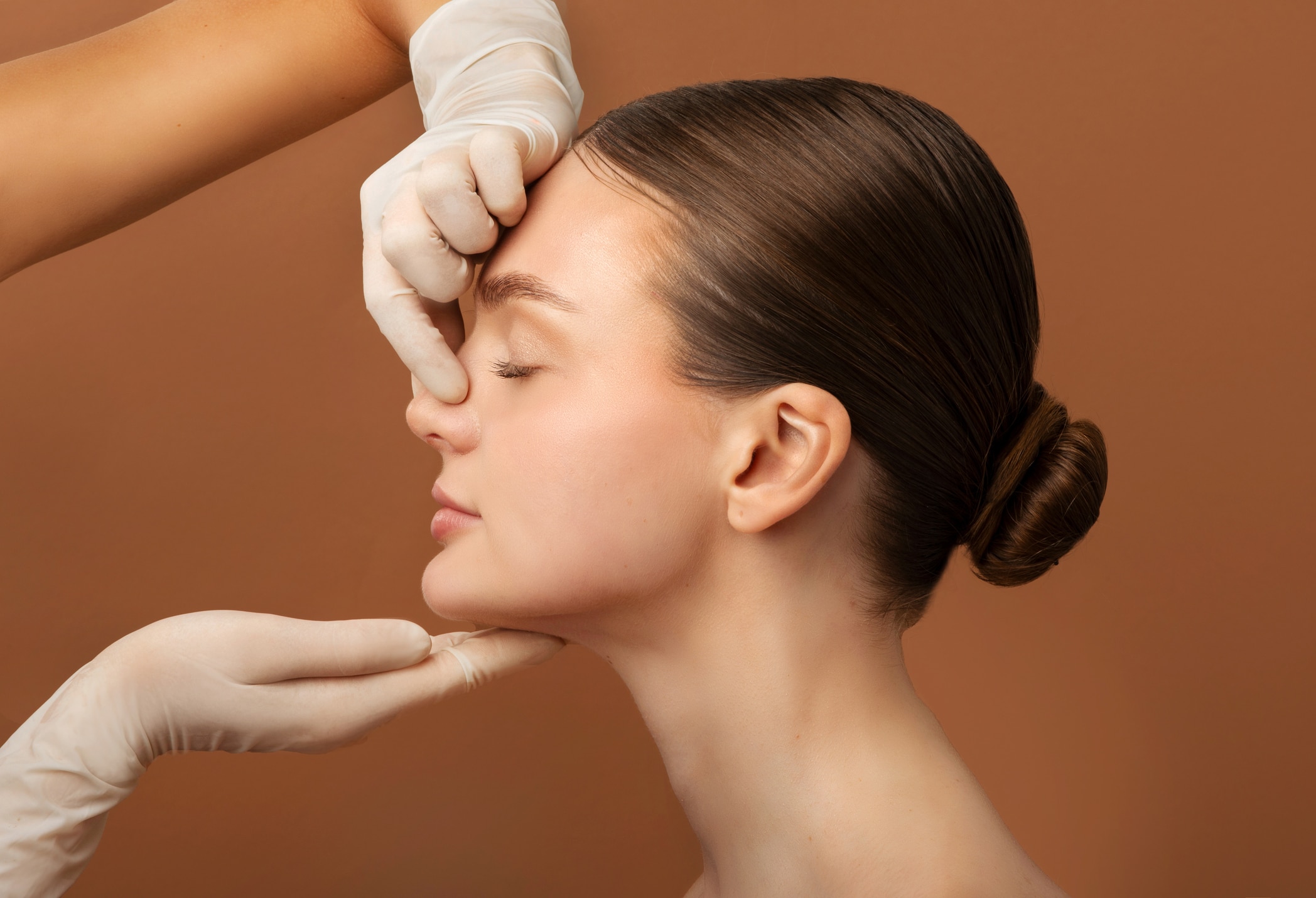
When considering rhinoplasty, you may be surprised to learn that there is more than one way to reshape your nose. Open and closed rhinoplasty offer distinct benefits depending on your nasal structure and desired results, so it helps to understand the differences before choosing nasal surgery.
At UMass Memorial Health in Worcester, MA, our plastic surgery team brings extensive experience in facial cosmetic procedures. Board-certified Dr. Mustafa Akyurek specializes in rhinoplasty, while board-certified Dr. Douglas Rothkopf has years of experience performing rhinoplasty and facial reconstructive surgery.
Open vs. Closed Rhinoplasty: Key Differences
Both techniques can improve nasal shape and proportions, but they offer different levels of surgical access. Here’s how they compare:
|
Feature |
Open Rhinoplasty |
Closed Rhinoplasty |
|
Incision Placement |
Small incision across the columella, plus internal incisions |
Incisions entirely inside the nostrils |
|
Visible Scarring |
Small external scar that typically fades over time |
No external incision scar |
|
Surgical Visibility |
Direct access to nasal cartilage and bone |
More limited direct visibility of nasal structures |
|
Best Suited For |
Complex reshaping, significant tip corrections, and certain revision surgeries |
Less complex changes, such as smoothing a nasal hump or making moderate adjustments |
|
Swelling and Recovery |
Nasal tip swelling may take longer to resolve |
Swelling may resolve sooner in selected cases |
|
Results |
Can achieve natural-looking results with detailed structural corrections |
Can achieve natural-looking results when suitable for the desired changes |
Which Rhinoplasty Technique Is Right for You?
Your surgeon will recommend the most suitable technique depending on the following factors:
- Nasal anatomy: Your existing cartilage, bone structure, and skin thickness.
- Desired changes: The amount of reshaping or refinement needed.
- Surgical complexity: Whether you need structural corrections, cartilage grafts, or revision surgery.
- Functional concerns: Breathing difficulties that may require additional nasal corrections.
What Can You Expect During Rhinoplasty Recovery?
Swelling, bruising, and temporary nasal congestion are common after either procedure. You can return to many everyday activities within one to two weeks, although recovery varies from person to person.
Your nose will continue healing for several months, and subtle swelling may take a year or longer to resolve fully.
Explore Rhinoplasty Options in Worcester, MA
Considering rhinoplasty? Our experienced plastic surgeons at UMass Memorial Health can evaluate your nasal structure, discuss your cosmetic and functional goals, and help determine which technique may suit you.
Call 508-334-5990 to schedule your consultation in Worcester, MA.
Comments are closed.